Testosterone, what the number means and what it does not
Low energy is not proof of low testosterone. Here is how the test should be done, what normal really means and when treatment is justified.
Written by
Dr. Sameer Nair, MD, Endocrinology
Last reviewed / updated:
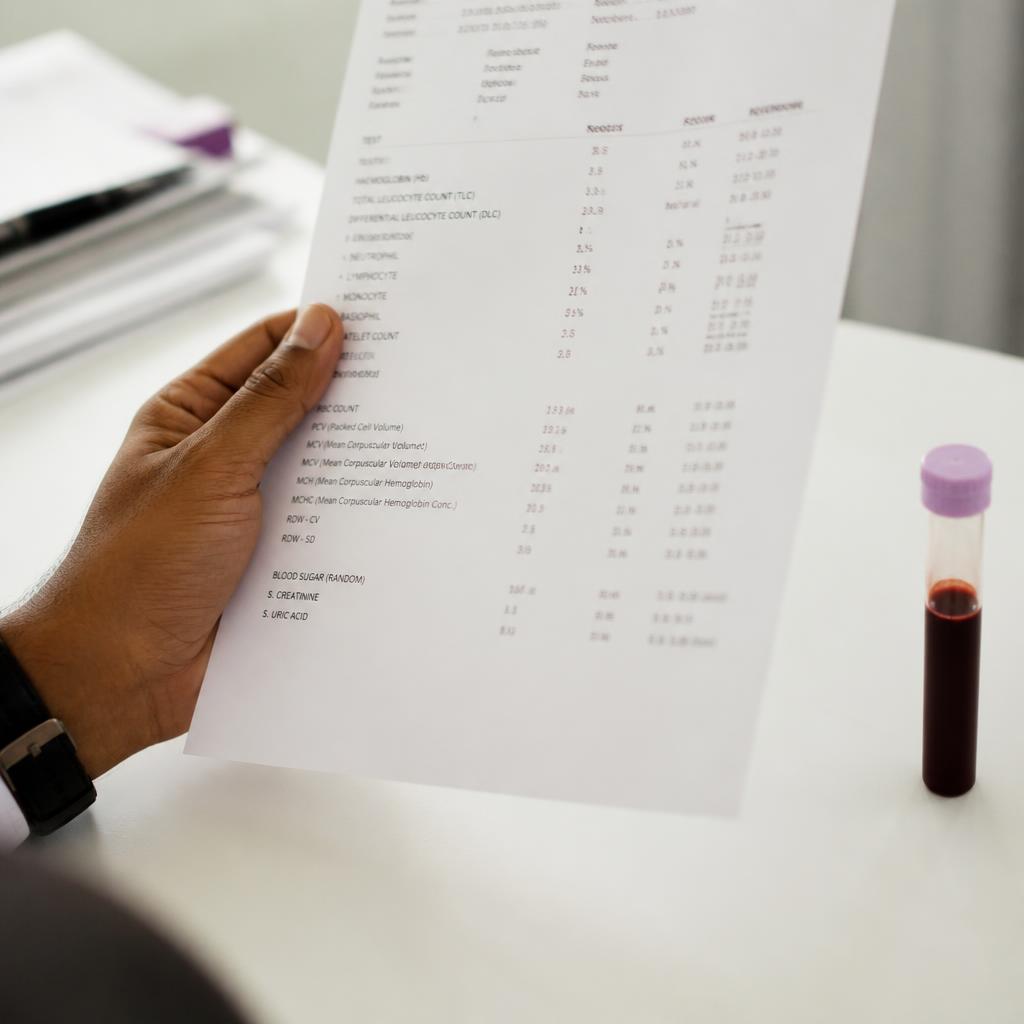
Symptoms are a poor test
Fatigue, low mood, poor concentration and reduced libido overlap with anaemia, thyroid disease, depression and sleep apnoea. None of them prove low testosterone.
How to test properly
Morning sample, fasting, ideally repeated on a second day. Add SHBG, LH, FSH and prolactin if the total reading is low.
A single low afternoon reading is not a diagnosis and should not start treatment.
Reading your result
Most laboratories quote a wide range. Where you sit within it matters less than whether symptoms and repeat testing agree.
Borderline results with normal LH often point at obesity or sleep disruption rather than testicular failure.
Raising it without drugs
Seven to eight hours of sleep, resistance training twice a week, reducing visceral fat and treating sleep apnoea produce meaningful rises for many men.
Correct vitamin D and iron deficiency before considering hormones.
When TRT is appropriate
Confirmed low readings with clear symptoms, after reversible causes have been addressed, and with a discussion about fertility, haematocrit and prostate monitoring.
Next step
Wondering if your hormones are the problem?
Our doctors read your symptoms and labs before recommending anything.
Talk privately with a doctorFAQ
Frequently asked
Do testosterone boosters from a pharmacy work?+
Over the counter boosters have little evidence. Correcting sleep, weight and deficiencies does more.
Does TRT cause infertility?+
It suppresses sperm production in most men. Tell your doctor if you plan to have children.
How often should levels be rechecked?+
At six weeks after any change, then every six to twelve months.
Was this article useful?
Private
Have a question about this article?
We don’t run a public comments thread on men’s health topics. Your question reaches our clinical team privately instead — nothing is published on this page.
Prefer to browse first? Read the LUVO FAQs.