

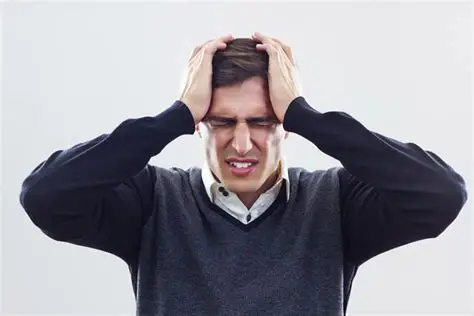
Stress, Anxiety & Erectile Dysfunction: Breaking the Psychological Cycle
Introduction: When Your Mind Sabotages Your Body
Raj, a 34-year-old IT manager in Bangalore, had a problem. Despite being in good physical health, he was experiencing erectile dysfunction. His doctor found nothing wrong—no diabetes, normal testosterone, healthy cardiovascular system. Yet three months ago, after failing to maintain an erection during intimacy with his girlfriend, the problem kept happening. Each time he tried, the fear of failing again made it worse.
Raj’s story is more common than you might think. While most discussions around erectile dysfunction focus on physical causes—diabetes, heart disease, hormonal imbalances—psychological factors account for up to 20% of ED cases in younger men and significantly contribute to ED in men of all ages.
In India’s high-pressure work environment, where 14-hour days are normalized and mental health still carries stigma, stress-induced erectile dysfunction is reaching epidemic proportions among urban professionals. A 2023 study in the Indian Journal of Psychiatry found that men in high-stress occupations were 2.5 times more likely to experience erectile difficulties compared to those in lower-stress jobs.
The cruel irony? Stress causes erectile problems, which creates more stress, which worsens the erectile problems. This is the psychological ED cycle—and breaking it requires understanding the powerful connection between your mind and your sexual function.
This guide will explain exactly how stress, anxiety, and depression affect erections, why performance anxiety becomes a self-fulfilling prophecy, and most importantly, evidence-based strategies to break the cycle and reclaim your sexual confidence.
The Mind-Body Connection in Erectile Function
Sexual arousal isn’t just physical—it’s one of the most complex interactions between mind and body that humans experience. Understanding this connection is essential to addressing psychological erectile dysfunction.
How Erections Actually Work
For an erection to occur, several processes must happen in perfect coordination:
1. Mental arousal: Your brain perceives sexual stimulation (visual, tactile, mental, emotional)
2. Nervous system activation: Signals travel from your brain through the spinal cord to the penis
3. Chemical release: Nerves release nitric oxide, which triggers production of cyclic GMP
4. Vascular response: Blood vessels in the penis dilate, allowing blood to flow in
5. Mechanical trapping: Muscles at the base of the penis restrict blood outflow, maintaining firmness
6. Sustained arousal: Continued mental and physical stimulation maintains the erection
Notice what comes first: mental arousal. Your brain is the primary sex organ. If psychological factors interfere with step one, the entire cascade fails—regardless of how healthy your cardiovascular system, hormones, or penis are.
The Prefrontal Cortex vs. The Limbic System
Your brain has two competing systems during sexual activity:
The limbic system (emotional, arousal center) says: “This is pleasurable. Let’s engage sexually.”
The prefrontal cortex (thinking, worrying center) says: “Wait, remember last time? What if you can’t perform? Your partner will be disappointed. This is embarrassing.”
Sexual arousal requires the limbic system to dominate. But when you’re stressed, anxious, or depressed, the prefrontal cortex becomes hyperactive—constantly analyzing, judging, worrying. This cognitive interference literally blocks the arousal signals that create erections.
Think of it like trying to fall asleep while someone keeps asking, “Are you asleep yet?” The very act of monitoring and worrying about the outcome prevents the outcome from occurring.
Why Psychological ED Feels Physical
Here’s what makes psychological erectile dysfunction so confusing: it feels completely physical. Your penis doesn’t respond, so naturally, you assume something is wrong with your penis.
But the “malfunction” is actually upstream in your brain—specifically in the balance between stress hormones and arousal chemicals. When this balance tips toward stress, your body enters “threat mode,” which is fundamentally incompatible with sexual arousal.
This is why men with purely psychological ED often have normal morning erections and can achieve erections during masturbation without performance pressure—proving that their equipment works fine when their mind isn’t interfering.
How Stress Hormones Sabotage Your Erections
Stress doesn’t just make you feel anxious—it triggers a cascade of hormonal changes that directly impair erectile function.
Cortisol: The Erection Killer
When you experience stress—whether from work deadlines, financial pressure, or relationship tension—your adrenal glands release cortisol, often called “the stress hormone.”
In short bursts, cortisol is helpful (it’s part of your “fight or flight” response). But chronic elevation of cortisol has devastating effects on sexual function:
Testosterone suppression: High cortisol directly inhibits testosterone production. Studies show that men with chronic stress have 10-20% lower testosterone levels than their non-stressed counterparts.
Reduced nitric oxide: Cortisol interferes with nitric oxide synthesis—the chemical absolutely essential for dilating blood vessels in the penis during arousal.
Increased inflammation: Chronic cortisol elevation causes systemic inflammation, damaging the endothelial cells that line blood vessels, including those in the penis.
Brain chemistry disruption: Cortisol reduces dopamine (pleasure/motivation chemical) while increasing norepinephrine (stress/alertness chemical)—creating a brain state incompatible with arousal.
A 2022 study published in the Journal of Sexual Medicine found that men with cortisol levels in the top 25% were 40% more likely to experience erectile difficulties than those with normal cortisol.
Adrenaline: When Your Body Chooses Survival Over Sex
During acute stress or anxiety, your body releases adrenaline (epinephrine). This triggers the sympathetic nervous system—your “fight or flight” response.
Here’s the problem: erections require parasympathetic nervous system activation (the “rest and digest” state). These two systems are antagonistic—they can’t both dominate simultaneously.
When adrenaline floods your system:
Blood vessels constrict: Adrenaline causes vasoconstriction (narrowing of blood vessels) to redirect blood to muscles and vital organs. The last thing your body wants during perceived danger is blood flowing to your penis.
Heart rate increases: Your body prepares for action, not intimacy.
Mental focus shifts: Your attention moves to threat assessment, not pleasure.
Muscle tension increases: Including the smooth muscles that must relax for blood flow into the penis.
This is why performance anxiety creates a physiological impossibility. Your mind perceives sexual performance as a “threat” (because of fear of failure), triggering the same adrenaline response as if you were being chased by a tiger. And you can’t achieve an erection while running from a tiger.
The Cortisol-Testosterone Imbalance
Testosterone and cortisol exist in an inverse relationship—when one goes up, the other tends to go down. Chronic stress creates a hormonal environment where:
- Cortisol stays chronically elevated
- Testosterone production is suppressed
- Libido (sex drive) decreases
- Even when you want sex intellectually, your body lacks the hormonal drive
This is particularly relevant for Indian urban professionals, where work-life balance is often poor. Men working 60-80 hour weeks, sleeping 5-6 hours nightly, eating irregularly, and taking no vacation time are creating a perfect storm of hormonal dysfunction.
A 2021 survey of IT professionals in Bangalore, Pune, and Hyderabad found that 42% reported decreased libido, with 68% attributing it primarily to work stress rather than physical health issues.
The Performance Anxiety Spiral: A Self-Fulfilling Prophecy
Performance anxiety is perhaps the cruelest form of psychological erectile dysfunction because it creates a vicious cycle that reinforces itself.
How the Spiral Begins
It often starts with a single incident:
Stage 1: The Initial Failure
- You’re tired, stressed, had too much alcohol, or simply had an off night
- You have difficulty achieving or maintaining an erection
- This is completely normal—every man experiences occasional erectile difficulties
Stage 2: The Worry
- Instead of dismissing it as a one-time occurrence, you worry
- “What if something is wrong with me?”
- “What if it happens again?”
- The worry itself creates stress
Stage 3: The Anticipatory Anxiety
- Next time you’re in a sexual situation, you remember the previous failure
- Your mind focuses on the question: “Will I be able to perform?”
- This very focus triggers the stress response
- Adrenaline floods your system
- Performance becomes impossible
Stage 4: The Reinforcement
- You fail again, “confirming” your fear
- The pattern becomes established
- Each failure increases anxiety about the next encounter
- The cycle deepens
Stage 5: Avoidance
- You begin avoiding sexual situations to prevent anticipated failure
- This reduces anxiety temporarily but reinforces the problem long-term
- Your partner may feel rejected, creating relationship stress
- The cycle becomes self-perpetuating
The Spotlight Effect
Performance anxiety involves what psychologists call “spectatoring”—mentally watching and judging yourself during sexual activity rather than immersing in the experience.
Instead of feeling sensation and pleasure, you’re thinking:
- “Is my erection firm enough?”
- “Am I taking too long?”
- “What does my partner think?”
- “It’s starting to soften—oh no!”
This self-monitoring triggers the prefrontal cortex (thinking brain) during a moment that requires the limbic system (feeling brain) to dominate. The result? Erectile failure.
The irony: The harder you try to “make” an erection happen through conscious effort, the more likely it is to fail. Erections are autonomic responses—they happen when you’re not trying to control them.
Breaking the Immediate Cycle
The key to interrupting performance anxiety is counterintuitive: stop trying to achieve erections.
Therapists often recommend a “sensate focus” approach where:
- Erections and intercourse are temporarily off the table
- Couples engage in non-penetrative intimacy
- The goal is pleasure, not performance
- Removing the pressure of “needing” an erection often allows them to return naturally
For men like Raj from our introduction, understanding this cycle was transformative. Once he stopped treating each sexual encounter as a test to pass or fail, the pressure dissipated—and his erectile function returned.
Work Stress and Sexual Health: The Indian Context
India’s work culture creates unique challenges for men’s sexual health that deserve specific attention.
The 70-Hour Work Week Reality
High-profile business leaders in India have publicly advocated for 70-hour work weeks. While this sparks debate, the reality is many Indian professionals already work these hours, particularly in:
- Information Technology and software development
- Finance and banking sectors
- Startup ecosystems
- Corporate management roles
This work culture has documented effects on sexual health:
Sleep deprivation: Working late consistently reduces sleep to 5-6 hours, when 7-9 is needed for optimal testosterone production. Sleep deprivation alone can reduce testosterone by 10-15%.
Chronic stress: Never “switching off” from work mode keeps cortisol chronically elevated. Your body never enters the parasympathetic state necessary for both recovery and sexual arousal.
Lack of exercise: Long work hours leave no time for physical activity, which is essential for cardiovascular health (critical for erections) and stress management.
Poor nutrition: Eating at desks, skipping meals, or relying on canteen food lacking key nutrients (zinc, vitamin D, omega-3s) impacts both physical and hormonal health.
Relationship neglect: When work consumes all your time and energy, relationships suffer. This creates relationship stress that further impairs intimacy.
The “Always On” Digital Culture
The expectation to respond to emails and messages outside work hours means Indian professionals never fully disconnect. This constant low-grade stress state is particularly damaging because your body never gets complete recovery time.
Research shows that cortisol levels should naturally decline in the evening and remain low overnight to allow testosterone production. But checking work emails at 10 PM triggers a cortisol spike, disrupting this pattern.
The Silence Around Mental Health
Despite progress, significant stigma around mental health persists in India. Men are expected to be stoic, capable, and strong—admitting stress or anxiety is often seen as weakness.
This creates a toxic situation where:
- Men ignore warning signs of burnout
- Stress-related health issues (including ED) progress without intervention
- Shame prevents seeking help even when problems become severe
- Partners often don’t understand what’s happening
A 2023 survey by the Indian Psychiatric Society found that only 12% of working Indian men with stress-related health issues sought professional help within the first year of symptoms.
The Commute Factor
In major Indian cities, daily commutes of 2-3 hours each way are common. This adds to the stress load and reduces time available for exercise, healthy meal preparation, sleep, and intimacy.
Men spending 4-5 hours daily in traffic report higher cortisol levels and lower relationship satisfaction—both directly impacting sexual function.
Depression and Sexual Function: The Chemical Connection
While anxiety and stress create acute erectile problems, depression affects sexual function through different mechanisms.
How Depression Kills Libido
Depression disrupts the neurochemistry of desire and arousal:
Low dopamine: Depression reduces dopamine, the “reward and motivation” neurotransmitter. Without adequate dopamine, you lose interest in activities that normally bring pleasure—including sex.
Reduced sexual desire: Unlike anxiety-induced ED (where desire exists but performance fails), depression often eliminates desire entirely. You’re not just unable to perform—you don’t want to.
Fatigue and low energy: Depression causes persistent exhaustion that makes any physical activity, including sex, feel like an overwhelming effort.
Negative thought patterns: Depressive thinking includes feelings of worthlessness, guilt, and hopelessness that undermine sexual confidence.
Anhedonia: This clinical term describes an inability to feel pleasure. When depression causes anhedonia, even successful sexual activity doesn’t feel rewarding.
The Depression-ED Cycle
Depression can cause erectile dysfunction, and erectile dysfunction can cause depression—creating another vicious cycle:
Depression → ED: Low libido, fatigue, and neurochemical changes impair sexual function
ED → Lowered self-esteem: Sexual problems damage your sense of masculinity and competence
Lowered self-esteem → Relationship problems: Avoiding intimacy creates distance with your partner
Relationship problems → Worsening depression: Feeling disconnected from your partner deepens depressive symptoms
Worsening depression → Worse ED: The cycle reinforces itself
Antidepressants and Sexual Function
Paradoxically, medications used to treat depression often cause sexual side effects:
SSRIs (Selective Serotonin Reuptake Inhibitors): The most commonly prescribed antidepressants (like Escitalopram, Sertraline, Fluoxetine) cause sexual dysfunction in 30-70% of users, including:
- Decreased libido
- Delayed ejaculation
- Erectile difficulties
- Reduced pleasure during orgasm
The dilemma: You need the antidepressant to treat depression, but it creates sexual side effects, which worsen your mood and self-esteem.
Solutions exist:
- Some antidepressants (like Bupropion) have lower sexual side effect rates
- Dosage adjustments can sometimes help
- Adding medications like Tadalafil (Luvo Blue) can counteract erectile effects
- Weekend “drug holidays” (under medical supervision only)
Never stop antidepressants without medical guidance. Work with your doctor to find the right balance between mental health treatment and sexual function preservation.
When to Suspect Depression vs. Anxiety
Both can cause ED, but they present differently:
Depression-related ED:
- Low or absent sex drive
- Generalized loss of interest in activities
- Persistent sadness or emptiness
- Fatigue and low energy
- Difficulty concentrating
- Changes in sleep and appetite
Anxiety-related ED:
- Sex drive present, but performance fails
- Specific worry about sexual performance
- Otherwise normal interest in activities
- Tension, restlessness, worry
- Normal energy when not stressed
- Sleep disrupted by racing thoughts
Understanding which you’re experiencing helps guide the treatment approach.
Relationship Anxiety and Erectile Function
Sexual function doesn’t exist in a vacuum—it’s deeply connected to the quality and security of your relationship.
How Relationship Stress Affects Performance
Unresolved conflict: Arguments about money, family, household responsibilities create background stress that surfaces during intimate moments. You may consciously want to be intimate, but subconscious resentment blocks arousal.
Fear of intimacy: For some men, emotional closeness triggers anxiety. As a relationship deepens, this anxiety manifests as erectile difficulties—the body’s way of maintaining emotional distance.
Infidelity or trust issues: Whether real or suspected, betrayal fundamentally disrupts the safety needed for vulnerable sexual connection. Men who’ve been unfaithful often experience “guilt-induced ED” with their partner.
Different desire levels: When partners have mismatched libidos, pressure builds. The partner wanting more frequency may become demanding; the other feels pressured—creating performance anxiety.
Communication breakdown: When you can’t talk honestly about needs, desires, and problems, unspoken tension accumulates and manifests physically.
New Relationship Anxiety
Interestingly, some men experience ED specifically with new partners despite having no issues in previous relationships or during masturbation. This “new partner anxiety” involves:
- Wanting to impress and fear of disappointing
- Uncertainty about what the partner likes
- Self-consciousness about body or performance
- Lack of familiarity and comfort
- Overthinking rather than relaxing into the experience
This typically resolves as comfort and familiarity develop—if performance anxiety doesn’t become established first.
Long-Term Relationship Challenges
Conversely, men in long-term relationships may develop erectile difficulties due to:
Habituation: Sexual novelty decreases, making arousal require more mental/physical stimulation
Life stress: Mortgages, children, aging parents create chronic stress that impacts intimacy
Reduced attraction: Physical changes in partner (or self) may impact desire
Emotional disconnect: Growing apart emotionally manifests as sexual problems
Unspoken resentments: Years of small grievances accumulate into major barriers
The Partner’s Response Matters
How your partner reacts to erectile difficulties significantly influences whether the problem resolves or worsens:
Unhelpful responses:
- “What’s wrong with you?”
- “Don’t you find me attractive anymore?”
- “Are you cheating?”
- Visible disappointment or frustration
- Making jokes about the problem
- Avoiding intimacy entirely
These responses increase performance anxiety and shame, deepening the problem.
Helpful responses:
- “It’s okay, this happens to everyone sometimes”
- “Let’s focus on pleasure, not performance”
- “How can I support you?”
- Suggesting sensate focus or non-penetrative intimacy
- Encouraging medical consultation without shame
- Reassuring love and attraction regardless
The partner who responds with patience, understanding, and reassurance dramatically improves the likelihood of resolution.
Cognitive Behavioral Techniques for Performance Anxiety
Cognitive Behavioral Therapy (CBT) is highly effective for psychological erectile dysfunction, with success rates of 50-70% in clinical trials.
Identifying Cognitive Distortions
First, recognize the irrational thought patterns that fuel anxiety:
Catastrophizing:
- Distorted: “I couldn’t get an erection—I’m broken forever”
- Reality: “I had one difficult experience. This doesn’t define my sexual function”
All-or-nothing thinking:
- Distorted: “If I don’t have a rock-hard erection, I’m failing”
- Reality: “Erections vary in firmness. Partner pleasure doesn’t require perfection”
Mind reading:
- Distorted: “My partner thinks I’m pathetic and is secretly disappointed”
- Reality: “I don’t know what they’re thinking. I should ask rather than assume”
Overgeneralization:
- Distorted: “This happened twice—I have erectile dysfunction”
- Reality: “Occasional difficulty is normal. A pattern requires multiple occurrences over time”
Thought Challenging Exercise
When negative thoughts arise, challenge them:
Step 1: Notice the thought “I’m going to fail again just like last time”
Step 2: Examine the evidence “What evidence supports this? What evidence contradicts it?”
Step 3: Consider alternatives “What’s another way to view this situation?”
Step 4: Reality test “If my best friend had this thought, what would I tell him?”
Step 5: Develop a balanced thought “I’ve had some difficult experiences, but I’ve also had many successful ones. Tonight might go fine. And even if there’s difficulty, it doesn’t define me”
Systematic Desensitization
This technique gradually reduces anxiety through controlled exposure:
Level 1: Spend intimate time with your partner with explicit agreement that intercourse is off-limits. Just cuddling, kissing, talking. Remove all performance pressure.
Level 2: Add sensual touch and massage, still with no expectation of erection or intercourse.
Level 3: Include genital touching and oral stimulation, but still no intercourse requirement.
Level 4: Attempt intercourse only when it feels completely natural and pressure-free, knowing you can stop at any point.
Each level should be repeated multiple times before advancing. This rebuilds confidence gradually.
Present-Moment Focus
Performance anxiety involves future-focused thinking: “What if I can’t…?”
Practice bringing attention to the present:
The 5-4-3-2-1 technique during intimacy:
- Notice 5 things you see (your partner’s face, skin, hair…)
- Notice 4 things you feel (texture, temperature, pressure, sensation…)
- Notice 3 things you hear (breathing, heartbeat, sounds…)
- Notice 2 things you smell (perfume, natural scent, sheets…)
- Notice 1 thing you taste (if kissing)
This anchors you in sensory experience rather than anxious thinking.
Redefining Success
Old definition: Success = achieving firm erection + penetration + intercourse to completion
New definition: Success = experiencing pleasure, connection, and intimacy with partner, regardless of specific acts performed
When you broaden the definition of successful sex beyond just erection and penetration, performance pressure dramatically decreases.
Mindfulness and Sexual Performance
Mindfulness—the practice of non-judgmental present-moment awareness—is increasingly recognized as an effective tool for sexual difficulties.
Why Mindfulness Works for ED
Performance anxiety is a future-focused worry: “What if I can’t get an erection?” Mindfulness brings attention to the present moment: “What am I experiencing right now?”
This shift has physiological effects:
Reduces amygdala activation: The brain’s fear center becomes less reactive
Activates prefrontal cortex: But in a regulatory way that calms anxiety rather than fueling self-monitoring
Decreases cortisol: Regular mindfulness practice lowers baseline cortisol levels
Improves interoception: Better awareness of body sensations allows you to notice early signs of arousal rather than getting lost in thoughts
A 2020 study in the Journal of Sexual Medicine found that men who completed an 8-week mindfulness program reported 65% improvement in erectile function and 78% reduction in performance anxiety.
Mindfulness Practices for Sexual Health
Daily meditation (10-20 minutes):
- Sit comfortably, focus on breath
- When thoughts arise, notice them without judgment and return attention to breath
- This trains your mind to let go of unhelpful thoughts—a skill that transfers to sexual situations
Body scan meditation:
- Systematically focus attention on each body part
- Notice sensations without labeling them good or bad
- Builds awareness of bodily sensations crucial for sexual arousal
Mindful breathing during intimacy:
- When anxiety arises during sexual activity, pause
- Take 3-5 slow, deep breaths
- Notice the breath entering and leaving
- Return attention to physical sensations with partner
Mindful masturbation:
- Practice solo to build comfort with mindful attention during arousal
- Focus entirely on sensations, not fantasies or goals
- Notice when mind wanders to performance evaluation and gently redirect
- This creates a foundation for applying mindfulness with a partner
The “Thoughts as Clouds” Technique
During intimacy, when anxious thoughts appear:
Step 1: Notice the thought (“I’m losing my erection”)
Step 2: Imagine it as a cloud drifting across the sky
Step 3: Don’t engage with the thought—just watch it pass
Step 4: Return attention to physical sensation
The goal isn’t to suppress thoughts (which actually increases them) but to observe them without reacting emotionally, allowing them to dissolve naturally.
When Medication Can Help: The Role of Luvo Blue
While psychological interventions are crucial, sometimes medication plays an important role in breaking the anxiety cycle.
How Tadalafil (Luvo Blue) Addresses Psychological ED
“But my ED is psychological—why would medication help?”
This is a common question. Here’s why Tadalafil (available as Luvo Blue) is valuable even for psychologically-driven erectile dysfunction:
1. Breaking the failure cycle
Performance anxiety creates a self-reinforcing loop. Medication ensures successful erections, providing positive experiences that rebuild confidence. After several successful encounters, anxiety decreases—and men often find they need medication less or not at all.
Think of it like training wheels on a bicycle. They provide support while you learn balance. Eventually, you don’t need them anymore.
2. Reducing performance pressure
Just knowing you’ve taken Luvo Blue reduces anticipatory anxiety. You have pharmaceutical backup, so the pressure to “perform naturally” decreases. Paradoxically, this relaxation often allows natural arousal to occur.
3. Extending the arousal window
Tadalafil lasts 24-36 hours, creating a wide window for spontaneous intimacy. This removes the performance pressure of “I took a pill, so we must have sex now.” The casualness this enables can be psychologically liberating.
4. Allowing focus on therapy
When erectile function is chemically supported by Luvo Blue, you can focus on the psychological work—CBT techniques, mindfulness, communication with a partner—without the constant fear of physical failure.
The Combination Approach
The most effective treatment for performance anxiety often combines:
Medication (Luvo Blue) + Therapy (CBT or sex therapy) + Lifestyle optimization (stress management, sleep, exercise)
Research shows this combination approach has success rates above 80%—significantly higher than any single intervention alone.
Luvo Blue Dosing for Psychological ED
For men whose ED is primarily psychological:
Luvo Blue 10mg as-needed: Take when anticipating sexual activity. Provides confidence boost and a 36-hour window. Once confidence rebuilds, can reduce frequency or discontinue.
Luvo Blue 5mg daily: Low-dose daily use eliminates any planning or timing concerns. Creates a constant baseline of readiness. Particularly helpful for breaking severe performance anxiety cycles.
When to Consider Medication
Medication is worth considering when:
- Performance anxiety hasn’t improved after 8-12 weeks of psychological techniques alone
- You’re in a new relationship and want to prevent anxiety from establishing
- Initial positive experiences would help rebuild confidence
- The stress of erectile difficulties is affecting your relationship or mental health
- You want support while working on underlying psychological issues
Important Consideration
Luvo Blue and other ED medications require proper medical evaluation. Consult with Luvomen doctors who can:
- Ensure no contraindications (heart conditions, medication interactions)
- Recommend appropriate dosing
- Monitor progress and adjust as needed
- Address underlying causes beyond just prescribing pills
Therapy Options for Psychological ED
Professional help accelerates recovery and provides tools you can’t easily develop alone.
Sex Therapy
Sex therapists specialize in sexual function issues and typically use approaches like:
Sensate focus exercises: Structured activities that gradually rebuild intimacy without performance pressure
Communication training: Learning to discuss sexual needs, preferences, and anxieties with your partner
Anxiety management: Specific techniques for managing performance anxiety before and during sexual activity
Cognitive restructuring: Identifying and challenging the thoughts that fuel anxiety
Success rates with sex therapy for performance anxiety exceed 70% when both partners participate.
Cognitive Behavioral Therapy (CBT)
CBT focuses on changing thought patterns and behaviors. For ED, this includes:
- Identifying automatic negative thoughts about sexual performance
- Challenging these thoughts with evidence
- Developing healthier thought patterns
- Behavioral experiments to test fears
CBT typically involves 12-20 sessions and has strong research support for anxiety disorders, making it effective for performance anxiety.
Couples Counseling
When relationship issues contribute to ED, couples therapy addresses:
- Communication patterns that may be contributing
- Unresolved conflicts affecting intimacy
- Mismatched expectations about sex
- Building emotional intimacy alongside physical intimacy
This is particularly valuable when:
- Both partners are dealing with the impact of ED
- Relationship stress preceded erectile difficulties
- You want to strengthen the relationship overall, not just fix the sexual problem
Psychiatry for Depression/Anxiety
If depression or generalized anxiety disorder underlies your sexual difficulties, seeing a psychiatrist may be appropriate for:
- Proper diagnosis of mental health conditions
- Medication management (antidepressants, anti-anxiety medications)
- Monitoring for medication side effects on sexual function
- Adjusting medications to balance mental health and sexual health
Luvomen’s network includes sex psychiatrists who specialize in the intersection of mental health and sexual function—crucial for comprehensive care.
Online vs. In-Person Therapy
Both formats work. Online therapy offers:
- Greater accessibility (especially in cities without specialized sex therapists)
- More convenient scheduling
- Privacy (no one sees you entering a sex therapist’s office)
- Often lower cost
In-person therapy offers:
- Face-to-face connection some people prefer
- Easier for couples therapy (though video works well too)
Choose based on what feels more comfortable for you.
Partner Communication: Bringing Them Into the Solution
Erectile difficulties affect both partners. Including your partner in understanding and addressing the problem dramatically improves outcomes.
How to Start the Conversation
Many men avoid discussing ED with their partners due to shame or fear. But silence creates more problems than it solves.
Choose the right time:
- Not during a sexual encounter
- Not immediately after a difficulty
- When you’re both relaxed and have privacy
- Not when either of you is stressed about other things
Use “I” statements:
- “I’ve been experiencing some anxiety around sex that’s affecting my erections”
- Not “You make me nervous” or blame language
Provide information:
- “I’ve learned this is called performance anxiety”
- “It’s actually quite common—20% of men experience it”
- “The worry about performing makes it harder to perform”
Ask for support:
- “I’d like us to try some exercises together that might help”
- “Can we focus on pleasure rather than erection for a while?”
- “I’m seeing a therapist, and it would help if you could join for a session”
What to Share (and Not Share)
Do share:
- That you’re experiencing erectile difficulties
- That it’s causing you stress and affecting your confidence
- That you’re working on solutions
- That you value your sexual relationship and intimacy with them
- That their support would be helpful
Don’t share (initially):
- Extensive medical or physiological details unless they ask
- Comparisons to past partners or experiences
- Any suggestion that they’re the cause (even if relationship dynamics contribute)
How Partners Can Help
If your partner is reading this, here’s how you can support:
1. Respond with reassurance, not panic
“This doesn’t change how I feel about you” is infinitely more helpful than “What’s wrong?”
2. Take the pressure off
“Let’s just enjoy being close without any expectations” removes performance anxiety.
3. Focus on the relationship, not just the symptom
“How are you feeling overall?” shows care for the person, not just the erection.
4. Suggest solutions together
“Would you like to talk to a doctor together?” or “Maybe we could try some of those exercises I read about?” shows partnership.
5. Maintain non-sexual intimacy
Hugging, kissing, cuddling without sexual expectations keeps connection alive while reducing pressure.
6. Educate yourself
Understanding that this is a common, treatable issue (not a reflection of attraction or relationship quality) helps you respond constructively.
Rebuilding Together
Once communication opens, couples can work together on:
Sensate focus exercises: Structured touching activities that gradually rebuild intimacy
Scheduled intimacy time: Creating space for connection without pressure
New sexual activities: Exploring what brings pleasure beyond penetrative sex
Stress reduction: Working together on managing the external stressors affecting your relationship
Couples who approach ED as “our problem to solve together” rather than “his problem” report significantly higher satisfaction with outcomes.
Creating Your Psychological ED Recovery Plan
Based on everything covered, here’s how to develop a comprehensive approach:
Phase 1: Assessment and Understanding (Weeks 1-2)
Actions:
- Take Luvomen’s free sexual health assessment
- Keep a journal noting when ED occurs and what you were feeling/thinking
- Identify whether stress, anxiety, depression, or relationship issues are primary contributors
- Schedule consultation with a Luvomen doctor to rule out physical causes
Goal: Understand your specific situation and contributing factors.
Phase 2: Immediate Interventions (Weeks 3-6)
Actions:
- Start daily mindfulness practice (10 minutes)
- Implement stress management (exercise, adequate sleep, reduced work hours if possible)
- Begin communication with partner about what you’re experiencing
- If recommended by doctor, start Luvo Blue to break the failure cycle
- Consider starting therapy (CBT or sex therapy)
Goal: Address acute symptoms and prevent worsening of the cycle.
Phase 3: Skill Building (Weeks 7-12)
Actions:
- Practice cognitive restructuring techniques when anxious thoughts arise
- Implement sensate focus exercises with partner
- Continue medication if using, but begin experimenting with occasional non-medicated encounters
- Attend therapy regularly and complete assigned exercises
- Optimize lifestyle factors (nutrition, exercise, sleep hygiene)
Goal: Develop long-term skills for managing anxiety and building confidence.
Phase 4: Gradual Independence (Months 4-6)
Actions:
- Reduce medication frequency as confidence improves (under medical supervision)
- Continue mindfulness practice independently
- Reduce therapy frequency from weekly to bi-weekly or monthly
- Focus on maintaining healthy lifestyle patterns established
Goal: Transition from active treatment to sustainable maintenance.
Phase 5: Maintenance (Month 7+)
Actions:
- Occasional Luvo Blue use when facing high-stress periods or want extra confidence
- Continued mindfulness practice and healthy lifestyle
- Periodic check-ins with partner about sexual satisfaction
- Quick intervention if old patterns start re-emerging
Goal: Maintain gains and prevent relapse.
Conclusion: Your Mind is Powerful—Use It Wisely
The same mind that can sabotage your sexual function through anxiety and stress can also be harnessed to restore and enhance it through awareness, cognitive techniques, and mindfulness.
Psychological erectile dysfunction feels uniquely frustrating because the “problem” seems invisible—there’s no physical injury to heal, no clear lesion to treat. But make no mistake: it’s very real, with real physiological mechanisms (cortisol, adrenaline, sympathetic nervous system activation) creating very real erectile difficulties.
The encouraging news: psychological ED is highly treatable. Success rates with proper intervention exceed 70-80%. Unlike some medical conditions where treatment only manages symptoms, psychological ED can be genuinely resolved—you can reach a point where anxiety no longer interferes with sexual function.
Key takeaways:
- Performance anxiety creates a self-fulfilling prophecy – Worrying about erectile failure causes erectile failure, which reinforces the worry. Breaking this cycle requires changing your relationship with anxiety.
- Stress hormones directly impair erectile function – This isn’t “all in your head” even when causes are psychological. Cortisol and adrenaline create real physiological barriers to arousal.
- Your brain is your primary sex organ – Sexual arousal begins with mental processes. When anxiety hijacks your mind, the body can’t follow.
- Communication transforms problems into shared challenges – Including your partner in understanding and addressing ED dramatically improves outcomes and relationship satisfaction.
- Medication can support psychological healing – Luvo Blue and similar medications aren’t “cheating”—they can break the anxiety cycle, allowing psychological interventions to work more effectively.
- Professional help accelerates recovery – While self-help strategies work, therapy provides structure, expertise, and accountability that significantly improve success rates.
- This is temporary, not permanent – Psychological ED may feel like a life sentence, but with proper intervention, most men recover completely.
Take Action Today
Breaking the cycle of stress-induced erectile dysfunction starts with a single step. Here’s what you can do right now:
Immediate Actions (Today):
- Take the free assessment – Luvomen’s 5-minute sexual health evaluation helps identify contributing factors and provides personalized recommendations.
- Start a worry journal – Write down anxious thoughts about sexual performance. Seeing them on paper makes them easier to challenge.
- Have the conversation – If you haven’t already, talk with your partner tonight. Use the communication framework from this guide.
This Week:
- Book a consultation – Speak with a Luvomen doctor who specializes in psychological ED. Get a proper evaluation and personalized treatment plan.
- Begin mindfulness practice – Download a meditation app and commit to 10 minutes daily.
- Reduce one stressor – Identify the most manageable stressor in your life and take one action to reduce it (delegate a task, set a boundary, say no to something).
This Month:
- Start therapy – Connect with a sex therapist or CBT specialist through Luvomen’s network.
- Consider Luvo Blue – If recommended by your doctor, give medication a try to break the performance anxiety cycle.
- Implement lifestyle changes – Prioritize 7-9 hours of sleep, 30 minutes of daily exercise, and stress management practices.
Why Choose Luvomen for Psychological ED?
Comprehensive approach:
- Doctors who understand both physical and psychological causes
- Sex psychiatrists specializing in anxiety and depression
- Access to sex therapists for behavioral interventions
- Medication options when appropriate (Luvo Blue, natural supplements)
Complete confidentiality:
- Online consultations from home
- Discreet delivery in unmarked packaging
- Private payment and communication
Evidence-based treatment:
- Protocols based on clinical research
- Combination approaches proven most effective
- Regular monitoring and adjustment
Supportive community:
- 3,000+ men have overcome similar challenges with Luvomen
- You’re not alone, and recovery is possible
Accessibility:
- Affordable consultations and medications
- Pan-India delivery
- Flexible appointment scheduling
Contact Luvomen:
- Phone: +91 7692000101
- Email: contact@luvomen.com
- Website: luvomen.com
Take the first step today. Your sexual health, confidence, and relationship quality are worth it.
Disclaimer: This article is for educational purposes and does not constitute medical advice. Always consult qualified healthcare providers before starting any treatment. If you’re experiencing severe depression or suicidal thoughts, contact emergency services or a mental health crisis line immediately.
About Luvomen: India’s #1 platform for men’s sexual health, providing doctor-approved treatments, supplements, and confidential consultations for erectile dysfunction, premature ejaculation, low testosterone, and overall male wellness.
